

Question
Given a string containing digits from 2-9 inclusive, return all possible letter combinations that the number could represent. Return the answer in any order.
A mapping of digits to letters (just like on the telephone buttons) is given below. Note that 1 does not map to any letters.
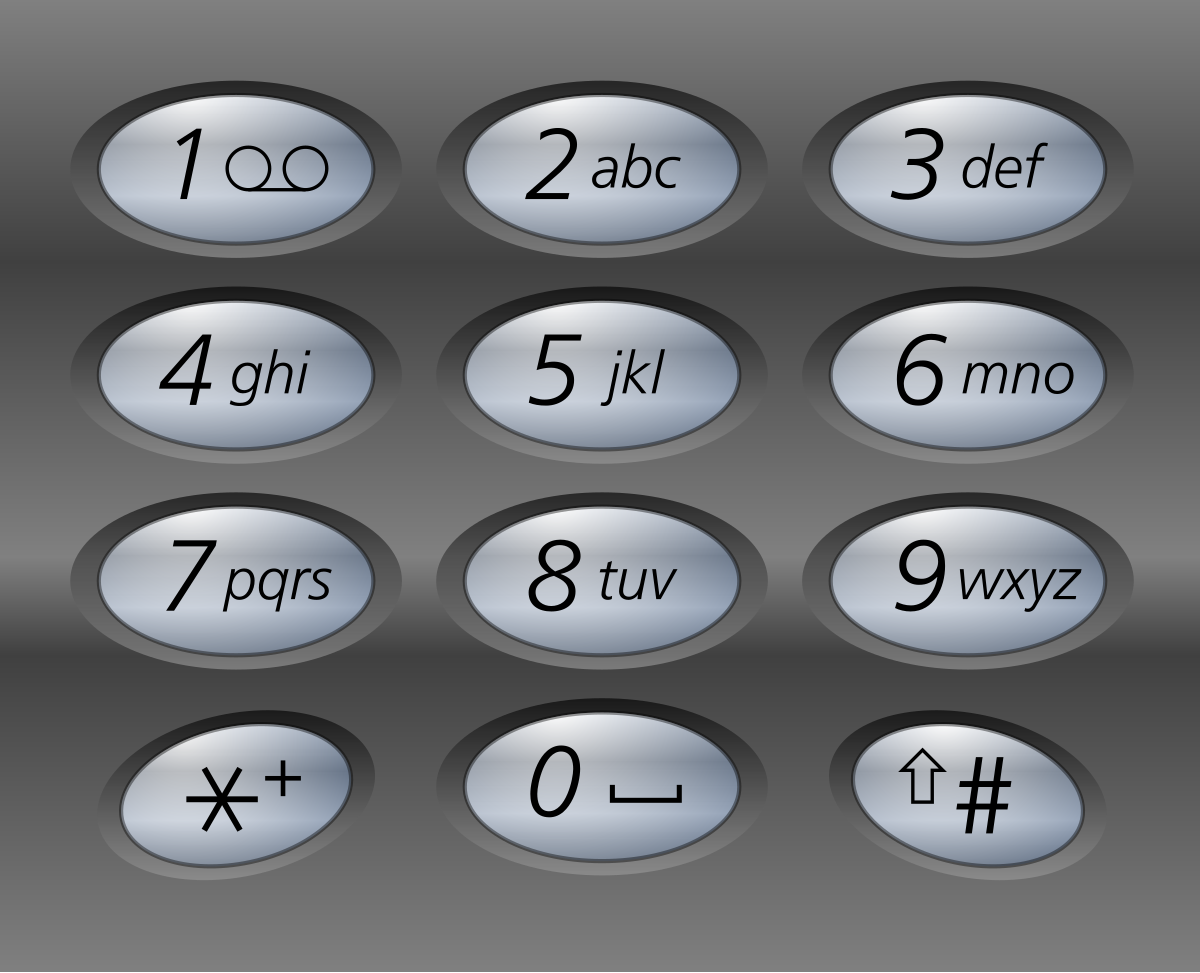
Example 1:
Input: digits = "23"
Output: ["ad","ae","af","bd","be","bf","cd","ce","cf"]
Example 2:
Input: digits = ""
Output: []
Example 3:
Input: digits = "2"
Output: ["a","b","c"]
Constraints:
0 <= digits.length <= 4digits[i]is a digit in the range['2', '9'].
Python Solution
class Solution:
    def rec(self,digits):
        phone = {'2': 'abc', '3': 'def', '4': 'ghi', '5': 'jkl', '6': 'mno', '7': 'pqrs',                    '8': 'tuv', '9': 'wxyz'}

        if len(digits)==0:
            return ''

        if len(digits)==1:
            return phone[digits]

        front = phone[digits[0]]
        back = self.rec(digits[1:])
        res = [f+b for f in front for b in back ]

        return res

    def letterCombinations(self, digits: str) -> List[str]:
        return self.rec(digits)
![[Solved] You are given an integer n and an integer start. Define an array nums where nums[i] = start + 2 * i (0-indexed) and n == nums.length. Return the bitwise XOR of all elements of nums.](https://machinelearningprojects.net/wp-content/uploads/2022/09/Leetcode-solutions-MLP-Feature-Image-1024x536.webp)